Preventing electrical hazards is paramount, and knowing what to look out for can prevent accidents. This article will explore the most common electrical hazards in your home and provide expert advice on how to prevent them.
1. Overloaded Power Outlets
One of the frequent electrical hazards in any home is the excessive plugging into single sockets. This can lead to overheating and potentially cause a fire. Ensure that you are using power strips with built-in circuit breakers, and avoid overloading power boards.
Old Wiring: A Hidden Hazard
Aged electrical wiring can be a major risk, especially in older homes. Signs of poor wiring include frequent circuit breaker trips, flickering lights, and burnt outlets. Engaging a professional electrician to inspect and possibly upgrade your wiring is vital for your safety.
3. Faulty Electrical Appliances
Malfunctioning electrical appliances can also pose a significant hazard. Regularly check your appliances for any faults, and do not ignore the indicators such as unusual noises. Always make sure that repairs are carried out by certified professionals.
4. Unprotected Electrical Outlets
Exposed electrical outlets are especially dangerous in homes with toddlers. Use outlet covers to protect these and prevent accidents like electrical shocks.
5. Improper Use of Extension Cords
Extension cords should only be used on a provisional basis and are not meant for permanent use. Having too many high-wattage appliances on one cord can result in dangerous heat build-up. Be sure to choose the right cord for the job, and avoid running them under carpets or over door thresholds where they can become damaged.
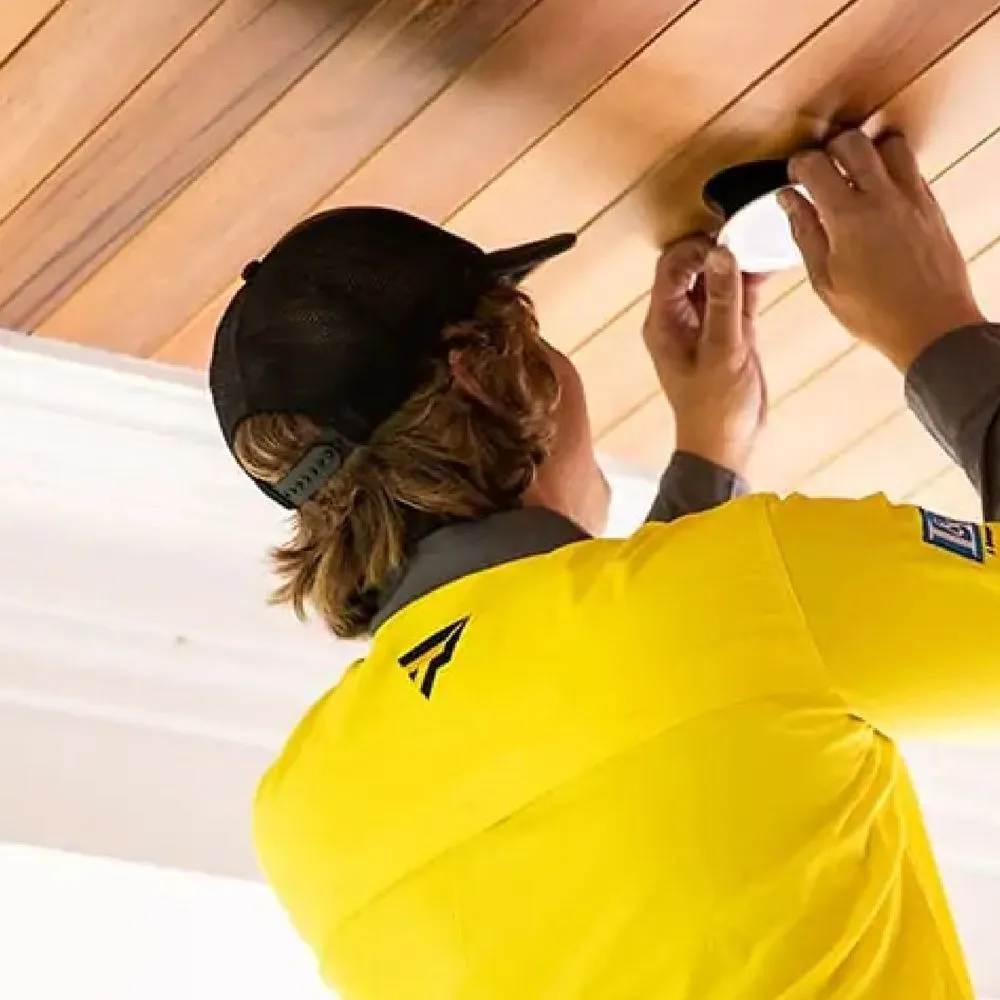
6. DIY Electrical Work
While DIY projects can be tempting, electrical work is best left to professionals. Mistakes in DIY electrical work can lead to serious consequences such as fires or electrocution. Always hire a qualified electrician for https://perth-electricians.blogspot.com/2024/01/emergency-electricians-perth.html your electrical needs.
7. Water and Electricity Mix
Water conducts electricity, making it extremely dangerous when near electrical sources. Make sure all outlets near water sources are equipped with Ground Fault Circuit Interrupters (GFCIs) to prevent electric shocks.
Installation Errors with Lighting Fixtures
Poorly installed light fixtures can lead to problems. Ensure that all fixtures are securely attached and that the correct type of bulb is used for each fixture to prevent overheating.
The Importance of Proper Grounding
Lack of proper grounding in electrical systems can result in a higher risk of shock or fire. It's essential that your home's electrical system is properly grounded, and this should be checked by a qualified professional.
The Risks of Overlooking Electrical Codes
Overlooking electrical codes can not only result in dangerous situations but also legal issues. Make sure that all electrical work in your home meets local codes and regulations, typically enforced to protect residents.
In Conclusion
Being aware of and mitigating these major electrical hazards is crucial for maintaining a safety-first home environment. It's wise to consider regular check-ups by certified electricians to maintain electrical safety in your home.